How to Select the Right Type of Wire Harness Connector
Share Article:
Selecting the right type of
wire harness connector has a direct impact on performance, reliability, and how easy a system is to service over time. OEM engineers and procurement teams have to sort through a wide range of wire harness connector types, each built for different electrical loads, environments, and mechanical demands. A good fit helps systems run smoothly and keeps assembly efficient, while the wrong choice can lead to failures, rework, and higher costs.
Why the Right Wire Harness Connector Matters
Wire harness connectors play a direct role in overall system performance. A poor match between connector type and application can lead to signal interruptions, power inconsistencies, or premature failure in the field.
Many OEM applications operate in demanding conditions that include vibration, temperature changes, and exposure to moisture or debris. Connectors must be selected to handle these factors without compromising performance.
The right connector improves assembly efficiency and simplifies maintenance. This reduces production issues and limits downtime during service, helping OEMs maintain reliability and control long-term costs.
How to Evaluate Wire Harness Connector Types
Evaluating different types of wire harness connectors starts with a clear understanding of the application requirements. Electrical factors such as current load, voltage, and signal type should be reviewed first to narrow down suitable options.
Mechanical considerations come next. Connector size, locking features, and mating cycles all affect durability and ease of use, especially in applications that require frequent connection and disconnection.
Environmental exposure also plays a major role. Conditions like moisture, dust, chemicals, and temperature extremes require connectors designed to handle those challenges.
Taking these factors into account early helps OEMs select connector types that align with performance expectations and production requirements.
Common Types of Wire Harness Connectors
Several wire harness connector types are used across OEM applications, each designed for specific connection needs, space constraints, and performance requirements. Understanding how these connectors function helps narrow down the right option for a given design.
Board-to-Board Connectors
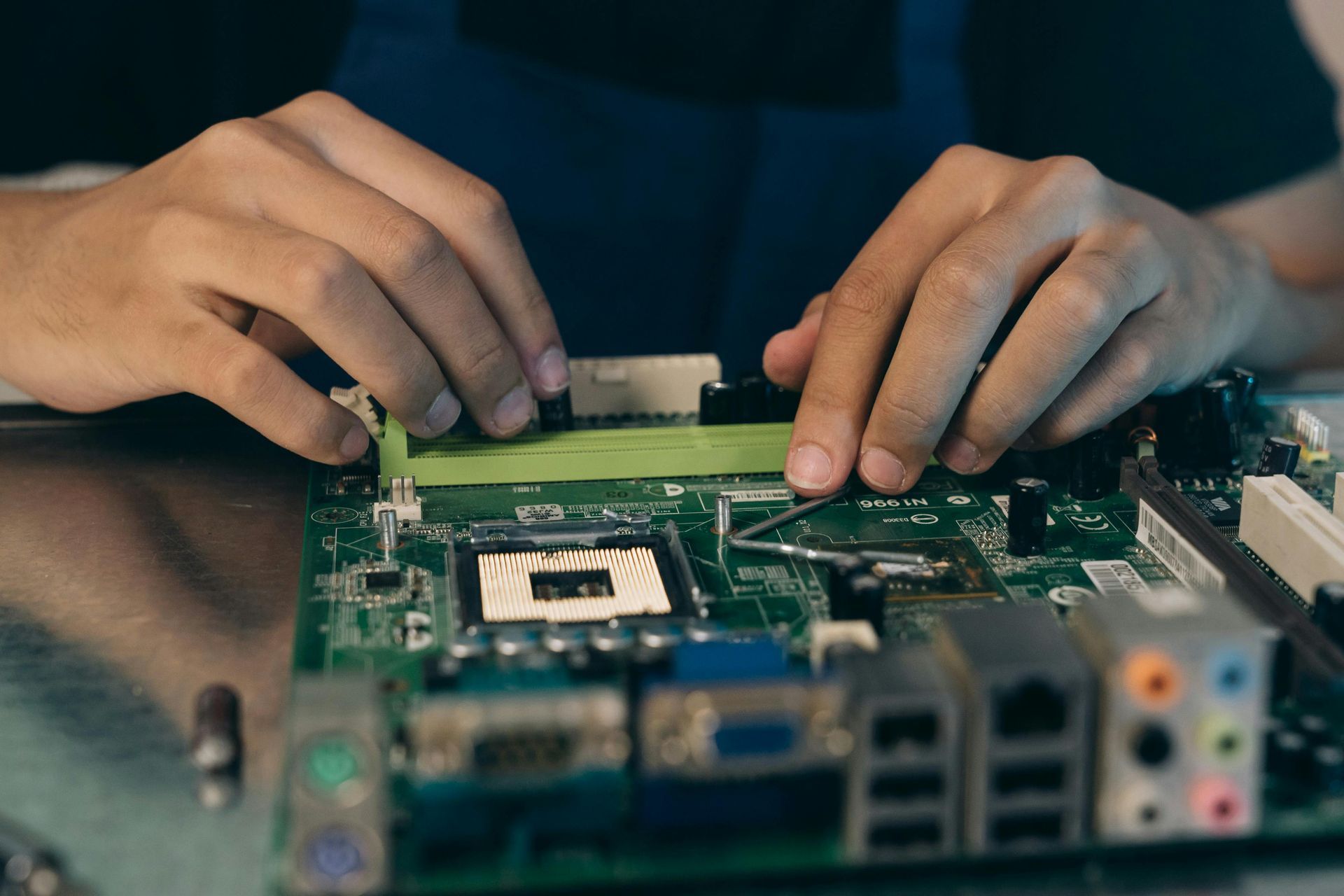
Board-to-board connectors link printed circuit boards without additional wiring. They are commonly used in compact systems where space and signal integrity matter.
These connectors rely on precise alignment for consistent contact. Common configurations include mezzanine, stacking, and edge card designs.
They are used in high-density applications that require reliable data transmission in a small footprint, such as control systems and embedded electronics.
Wire-to-Wire Connectors
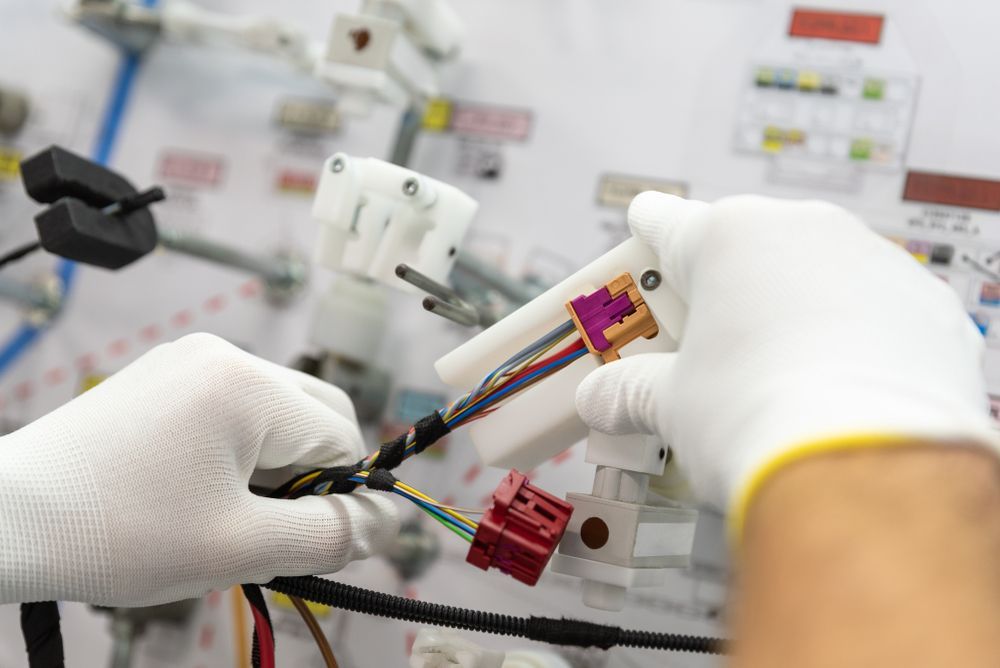
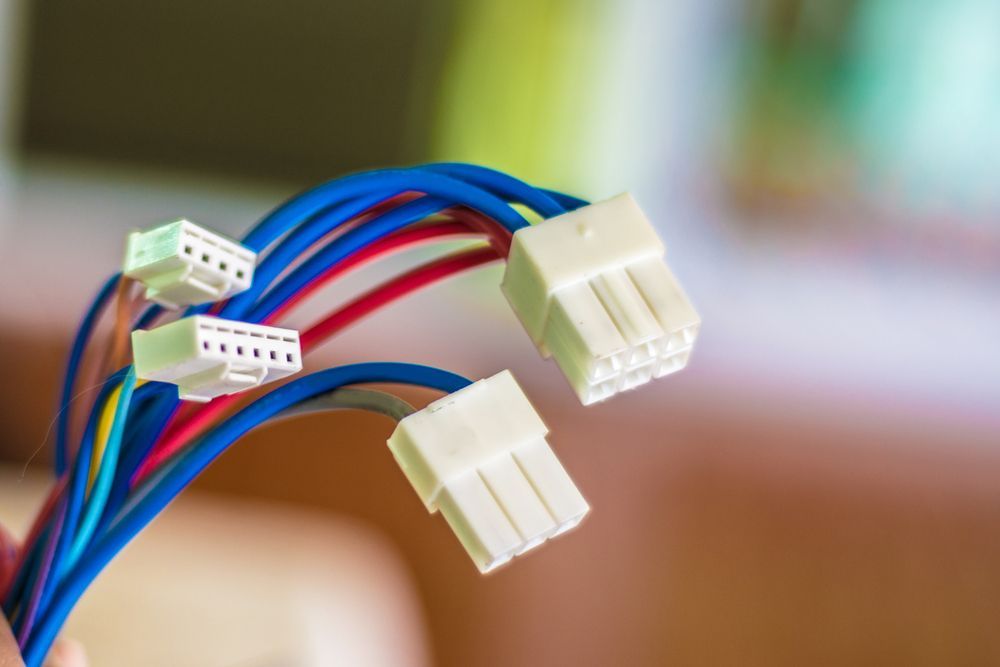
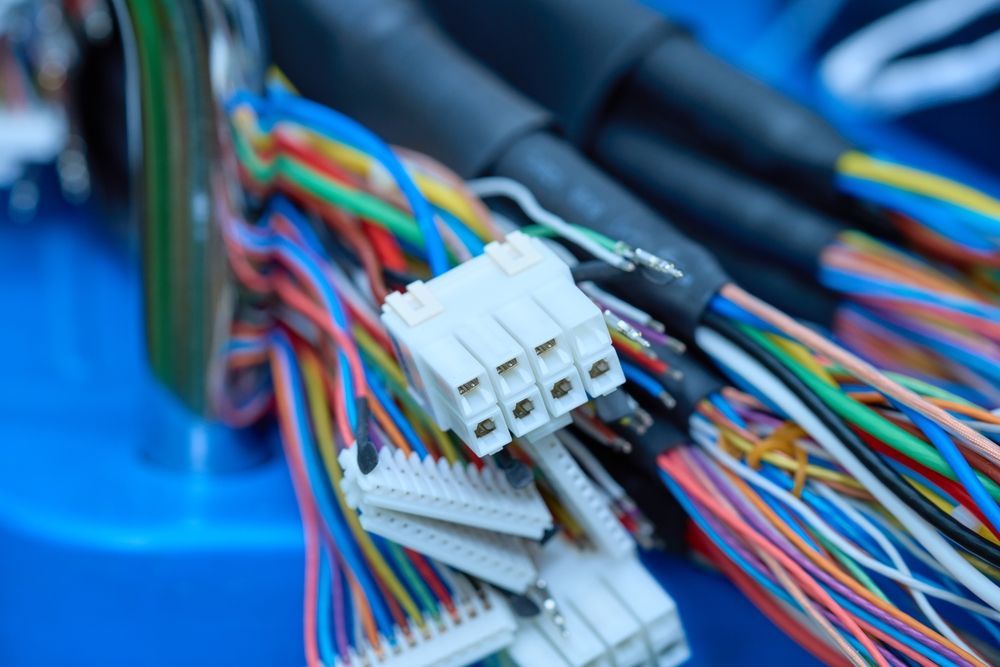
Wire-to-wire connectors join two separate wire harnesses, allowing power or signals to pass between sections of a system. They are often used in applications that require modular design or easy disconnection during service.
These connectors typically feature locking mechanisms that keep connections secure in high-vibration environments. They are available in a range of sizes and configurations to handle different current and voltage requirements.
Wire-to-wire connectors are common in automotive and industrial equipment where flexibility, serviceability, and reliable connections are key.
Wire-to-Board Connectors
Wire-to-board connectors link individual wires or harnesses to a printed circuit board. They are used when power or signals need to move between external wiring and internal electronics.
Designs focus on secure termination and consistent electrical contact, including locking features that prevent accidental disconnection.
Wire-to-board connectors are common in control panels, electronics, and industrial equipment where stable connections between wiring and circuit boards are required.
Circular Connectors
Circular connectors are designed for applications that require durability and secure connections in harsh environments. Their round shape allows for strong sealing and resistance to vibration, moisture, and debris.
Many designs include threaded or bayonet locking mechanisms that keep connections stable under stress. They are available in a range of sizes and pin configurations to meet different power and signal needs.
Circular connectors are widely used in aerospace, military, and industrial equipment where rugged performance and environmental protection are required.
RF and Coaxial Connectors
RF and coaxial connectors are used for high-frequency signal transmission where signal loss and interference must be minimized. They are designed to maintain signal integrity across communication systems and sensitive electronic applications.
Shielding plays a key role in their performance, protecting signals from external noise. Connector design and impedance matching are important factors when selecting the right option.
RF and coaxial connectors are commonly used in telecommunications, aerospace systems, and advanced electronics where consistent signal quality is required.
Connector Materials and Environmental Ratings
Connector materials and environmental ratings directly affect long-term performance. Housing materials such as plastic, metal, or composite offer different levels of durability, weight, and resistance to heat or chemicals.
Environmental ratings, including IP and NEMA standards, indicate how well a connector resists moisture, dust, and other contaminants. Applications exposed to outdoor conditions or washdown environments require higher levels of protection.
Temperature range is another important factor. Connectors must maintain performance in both high-heat and low-temperature settings without degradation.
Common Mistakes When Selecting Connector Types
- Choosing connectors based on cost alone, which can lead to performance issues and higher long-term expenses
- Overlooking environmental conditions such as moisture, temperature changes, and vibration
- Underestimating mating cycles or mechanical stress in serviceable applications
- Delaying connector selection until late in the design process, which creates integration and production challenges
The Value of an Experienced Wire Harness Partner
Selecting from many wire harness connector types can become complex, especially when electrical, mechanical, and environmental factors all intersect. An experienced partner brings practical insight that helps align connector selection with real-world application demands.
Kato Cable works closely with OEM teams to evaluate connector options, material choices, and design considerations early in the process. This collaboration helps reduce design risk, improve manufacturability, and streamline production.
With expertise in
wire harness and cable assembly, Kato Cable
delivers interconnect solutions that meet performance expectations across a
wide range of industries.

Request a Quote for Custom Wire Harness Solutions
The connector you choose plays a big part in system performance, but the full assembly is what ultimately determines how it performs over time.
Kato Cable works closely with OEM teams to develop wire harness and cable assembly solutions built around real application requirements. Every project takes into account how the product will be used, how it will be built, and how it needs to perform in the field.
Reach out to the Kato Cable team to talk through your application and get a custom quote for your wire harness and connector needs.