Why Interconnect Solutions Beat Piecemeal Sourcing
Share Article:
Sourcing wire harnesses, cable assemblies, and control panels from separate suppliers can look efficient at first. Each part has its own quote, supplier, and production schedule.
Problems surface when those assemblies need to work together.
A connector change can affect drawings, inventory, testing, and installation. One late assembly can delay a larger build. A quality issue can also become harder to resolve when responsibility crosses supplier lines.
Interconnect solutions reduce those handoffs, giving OEM teams clearer ownership and fewer supplier relationships to coordinate.
Integrated Sourcing Simplifies OEM Electrical Programs
Integrated sourcing brings related electrical assemblies under one supplier relationship. That can reduce the number of drawings, production schedules, quality contacts, and change requests an OEM team has to coordinate.
The benefit becomes more noticeable as programs grow more complex. If a connector, routing requirement, or test procedure changes, fewer supplier handoffs can make it easier to keep related assemblies aligned. Purchasing also has fewer vendors to track, while engineering has a clearer path for resolving questions that affect more than one assembly.
Piecemeal Sourcing Creates More Points of Failure
Each added supplier creates another place where information, timing, or responsibility can break down. Small gaps between teams can turn into production delays, rework, or longer troubleshooting cycles.
Supplier Handoffs
Every supplier handoff adds another point where schedules, specifications, and responsibilities can drift apart. One team may be working from a revised drawing while another is still building from an older version. Delivery dates can also fall out of sync, creating delays even when individual suppliers meet their own commitments.
Reducing those handoffs can make coordination faster and give OEM teams a clearer path when questions or issues come up.
Engineering Changes
Engineering changes can ripple across several electrical assemblies. A new connector, pinout, routing requirement, or material may affect drawings, BOMs, test procedures, inventory, and work already in production.
When multiple suppliers are involved, OEM teams may need to coordinate that same change across several companies. Integrated sourcing can reduce that coordination burden and help keep related assemblies on the same revision.
Quality Accountability
Quality problems take longer to resolve when several suppliers are involved. If an issue appears during final assembly, the OEM may need to determine which supplier owns the root cause before corrective action can begin.
A more integrated sourcing model can create clearer accountability. It also gives the supplier greater visibility into how related assemblies connect, function, and affect one another during production.
Coordinating Electrical Assemblies Across One Program
Wire harnesses, cable assemblies, and control panels often connect to the same equipment, drawings, and production schedule. When those assemblies come from separate suppliers, OEM teams may spend more time checking compatibility, tracking revisions, and resolving gaps between vendors.
Integrated sourcing can simplify that coordination by keeping related electrical assemblies under a more connected production process.
Wire Harnesses
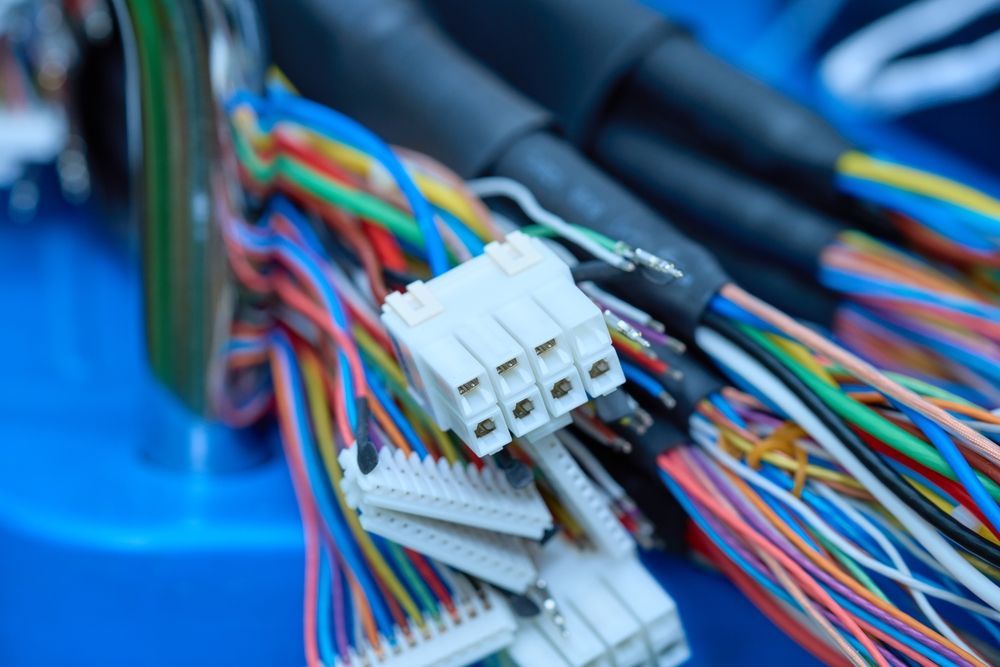
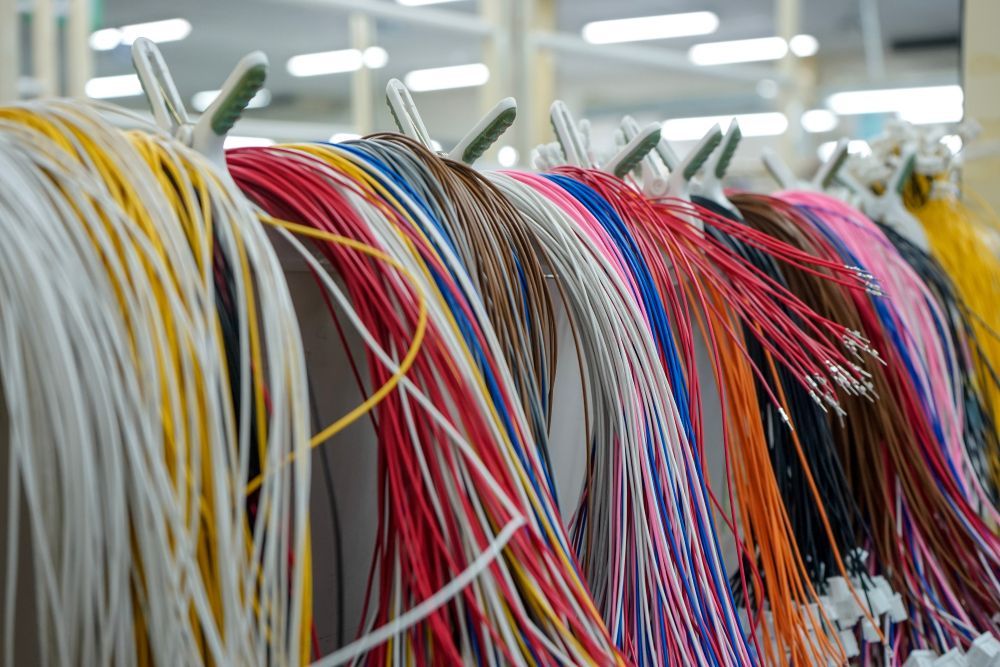
Wire harnesses connect multiple electrical points throughout a machine or vehicle, so small errors can create larger installation problems. Connector selection, branch lengths, labeling, routing, and termination details all need to match the intended design.
Keeping harness production closely coordinated across the broader electrical program can reduce fitment issues, revision conflicts, and avoidable rework during final assembly.
Cable Assemblies
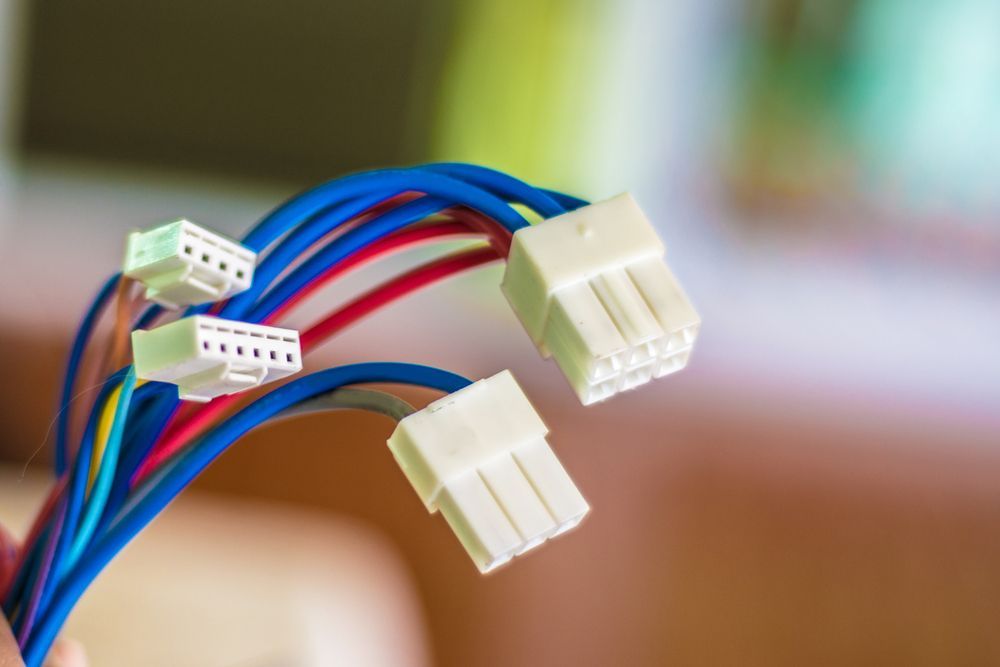
Cable assemblies add another layer of coordination through connector types, shielding, insulation, lengths, and termination requirements. If those details do not match the rest of the electrical design, installation problems can appear late in the build.
Keeping cable assembly production aligned across the same program can reduce compatibility issues and make design changes easier to manage.
Control Panels
Control panels bring multiple electrical components, wiring paths, and termination points into one assembly. Errors in layout, labeling, wiring, or component placement can create delays during installation or startup.
Coordinating panel assembly alongside related harnesses and cables can reduce mismatches and make final integration more predictable.
Total Program Cost Goes Beyond Component Pricing
A lower unit price does not always produce a lower program cost. Supplier management, freight, incoming inspection, engineering coordination, rework, and obsolete inventory can add expense outside the original quote.
OEMs should also consider the time their teams spend resolving supplier gaps. Fewer handoffs can reduce that hidden workload and make total program costs easier to manage.
Complex OEM Programs Favor Integrated Sourcing
Integrated sourcing tends to create the most value when several electrical assemblies share revisions, components, testing requirements, or production deadlines.
It can be especially useful during new product launches, supplier transitions, production ramps, or programs that change often. In those situations, reducing supplier interfaces can make coordination easier and help OEM teams respond faster when something changes.
What to Look for in an Interconnect Solutions Provider
The right provider can help reduce the coordination burden that comes from managing separate electrical suppliers. Start by looking at the range of assemblies the company can manufacture, then examine how it handles engineering changes, testing, component sourcing, documentation, and quality control.
Communication also matters. OEM teams need clear answers when drawings change, parts become unavailable, or production priorities shift. A provider that can work across wire harnesses, cable assemblies, and control panels may be better positioned to spot conflicts early and keep related assemblies aligned.
Scalability is another factor. The supplier should have processes that can carry a program from prototyping into repeat production without losing control of revisions, quality requirements, or delivery expectations.
Discuss Your Interconnect Requirements With Kato Cable
At Kato Cable, we work across wire harnesses, cable assemblies, and control panel applications from our Mankato, Minnesota facility. Our team helps OEM customers manage electrical assembly requirements through coordinated manufacturing, engineering support, and dependable communication.
If your program involves multiple electrical assemblies, frequent design changes, or too many supplier handoffs, we can help simplify the sourcing process.
Request a quote to discuss your interconnect requirements.