What to Know About Industrial Control Panel Assembly

September 10, 2026

Share Article:

Industrial control panel assembly turns electrical drawings and component specifications into a finished panel ready for equipment integration. Small issues, such as an incorrect terminal, outdated revision, or unclear wire label, can lead to rework or delays during startup. Understanding the assembly process helps OEM teams set clear requirements and identify potential problems before production begins.

What Is an Electrical Control Panel?

An electrical control panel houses components that manage power and control functions for a machine or piece of equipment. Depending on the application, a panel may contain circuit breakers, relays, terminal blocks, power supplies, PLCs, switches, and other electrical components.


These components connect through
organized wiring based on the OEM’s electrical drawings and specifications. The finished panel becomes part of the equipment’s electrical system, controlling how power and signals move between connected devices.

What Happens During Control Panel Assembly?

Control panel assembly turns approved electrical documentation into a finished panel ready for equipment integration. The process moves from documentation review and component installation through wiring, labeling, and final inspection.

Review Drawings, BOMs, and Wiring Requirements

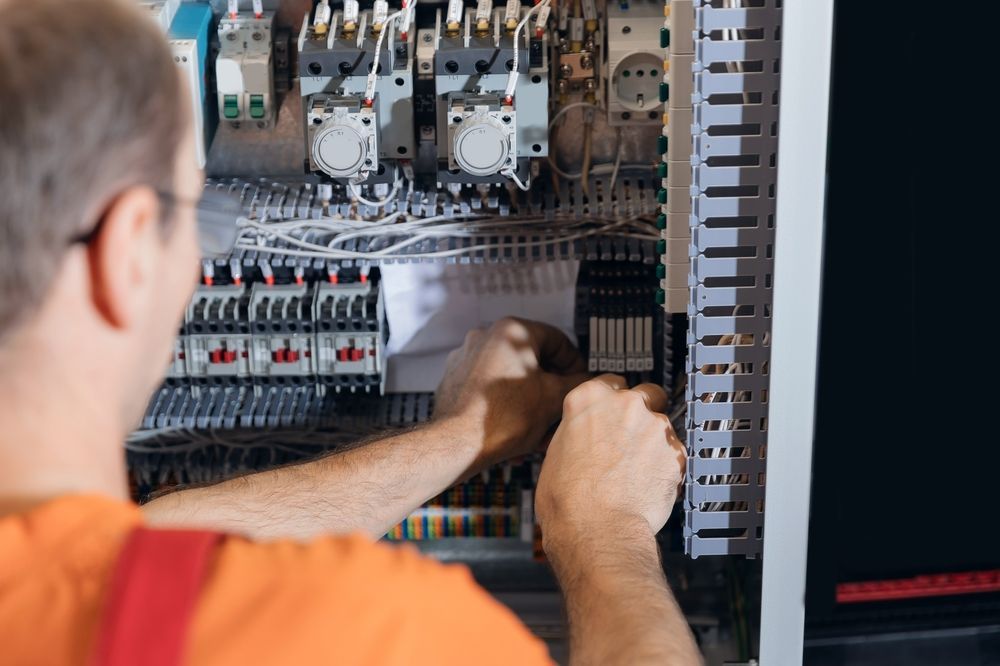
Assembly starts with confirming the documentation that defines the build. Electrical drawings establish connections and component locations, while the bill of materials identifies the specified parts. Wiring instructions may add requirements for wire size, color, routing, terminals, and identification. Reviewing revision levels at this stage helps prevent outdated information from reaching production.

Prepare and Install Panel Components

Once the documentation is confirmed, technicians prepare the enclosure and install the specified components according to the approved layout. Placement matters because spacing and orientation affect wire routing, accessibility, and later equipment service. Following the documented layout also supports consistency across repeat builds.

Route, Terminate, and Label Wiring

Technicians route wires according to the drawings, then connect each conductor to its specified terminal or component. Clear wire identification makes connections easier to verify and helps technicians trace circuits later. Consistent routing and termination also reduce confusion during equipment integration, maintenance, and troubleshooting.

Inspect the Completed Assembly

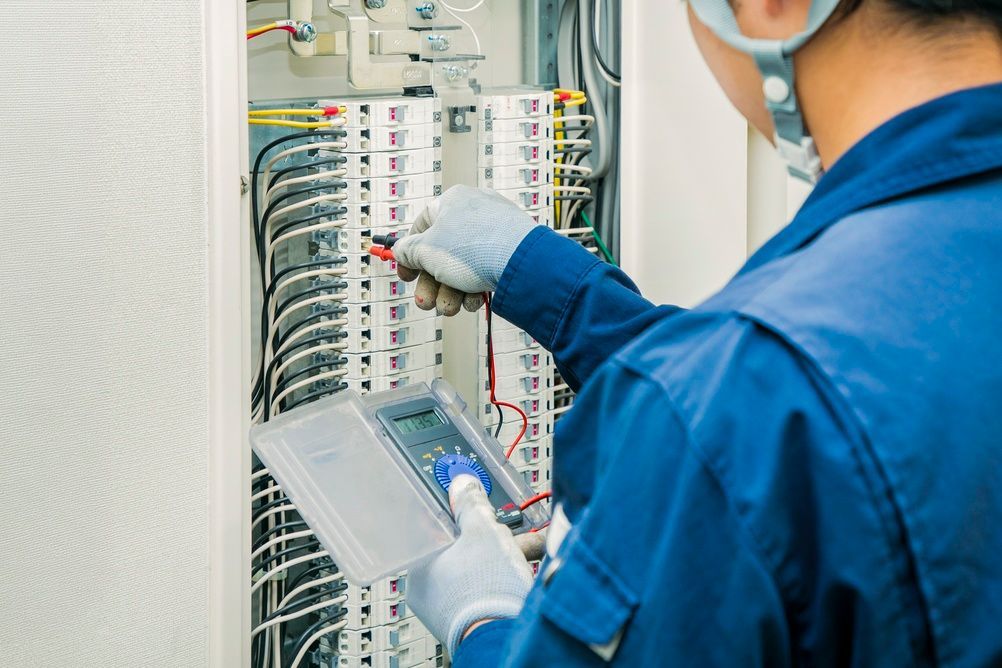
Inspection checks the finished panel against the approved drawings and build requirements. This can include verifying component placement, wire identification, terminations, and connections. Finding discrepancies before the panel leaves production can reduce rework and troubleshooting during equipment integration.

Control Panel Requirements to Confirm Before Assembly

Clear production requirements give technicians a reliable reference throughout the build. Before assembly begins, OEM teams should confirm the current drawings, component specifications, labeling standards, layout details, and testing expectations to reduce questions or corrections once work is underway.

Electrical Drawings and Wiring Diagrams

Current electrical drawings give the assembly team a defined reference for component locations, connections, and circuit details. Revision information should be confirmed before production starts so technicians do not build from outdated instructions. Clear diagrams also reduce questions during assembly and provide useful documentation for later troubleshooting.

Bill of Materials and Component Specifications

The bill of materials should identify the exact components required for production, including relevant part numbers and specifications. Confirming this information before assembly reduces uncertainty around part selection. Any approved substitutions or component changes should also be reflected in the current documentation before the build moves forward.

Labeling, Termination, and Layout Requirements

OEM specifications may define how wires, terminals, and components should be identified and arranged. Documenting these requirements before production keeps technicians working from the same standards. Consistent labeling and termination make connections easier to verify and can simplify troubleshooting once the panel is installed.

Testing and Inspection Expectations

Testing requirements should be defined before production so the finished panel can be evaluated against agreed criteria. Depending on the project, checks may include visual inspection, continuity testing, point-to-point verification, or other customer-specified procedures. Defining the scope early also helps prevent gaps between what an OEM expects and what the assembly process includes.

Where Assembly Errors Create Integration Risk

A panel can look complete while still containing issues that surface during equipment startup. Incorrect terminations, mismatched labels, wrong components, or undocumented changes can send technicians back through drawings and connections to locate the problem.


These issues can become more costl
y once the panel reaches the equipment. A wiring discrepancy discovered during production can often be corrected before shipment. The same discrepancy found during commissioning may require additional troubleshooting, documentation updates, or schedule adjustments. Catching problems during assembly helps reduce rework and keeps integration moving.

How Quality Checks Support Repeatable Builds

Quality checks help confirm that each completed panel follows the approved documentation and production requirements. Verifying components, connections, labels, and workmanship before release can catch variations early. For OEMs ordering repeat builds, a consistent inspection process also supports greater uniformity from one panel to the next.

Technician in blue jacket working inside a server room with electrical equipment and cable racks

What to Look for in an Assembly Partner

An assembly partner should have processes for managing drawings, revisions, component specifications, and customer requirements throughout production. OEM teams should also consider how a supplier handles repeat builds, documents changes, communicates questions, and verifies completed work.


Supplier evaluation should go beyond price and lead time
. Ask what documentation is required before production, how drawing revisions are controlled, what happens when specifications are unclear, and which inspections occur before release. Those answers can reveal how prepared a supplier is to support consistent production rather than simply complete a single build.

Discuss Your Control Panel Requirements With Kato Cable

Kato Cable provides control panel assembly services for OEMs that need reliable electrical assemblies built to their specifications. Our team works from customer documentation to support accurate, repeatable production for a range of equipment applications.


Looking for a control panel assembly partner for your next project?
Request a quote from Kato Cable to discuss your requirements.

Technician in blue uniform inspecting electrical wiring in an open control panel
August 31, 2026
Learn how control panel integration helps OEMs reduce lead time, streamline electrical assembly coordination, limit rework, and keep production on schedule.
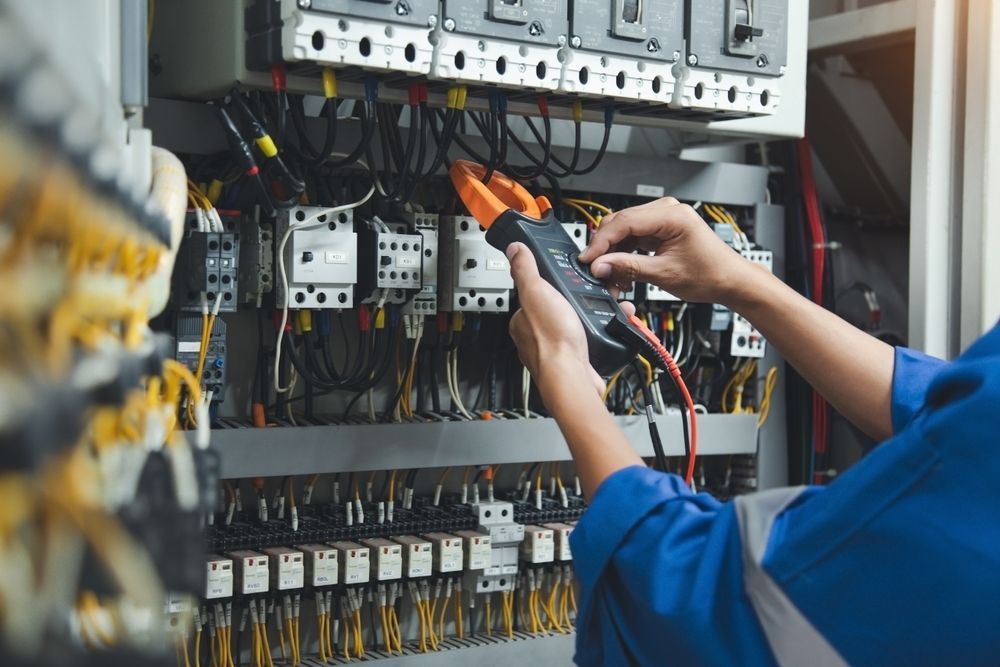
Technician using a multimeter to inspect wiring inside an electrical control panel
August 27, 2026
Learn what UL 508A-listed control panels mean for OEMs, when to specify them, and which design, compliance, and production factors matter most.
Technician wiring an electrical control panel with tools inside an open cabinet
August 24, 2026
Compare repeatable vs. one-off control panel builds and learn when OEMs should prioritize consistency, revisions, components, and repeat production.
Scattered LEGO pieces and wires on a wooden table, with a small blue component in the center
August 17, 2026
Learn what ISO 9001 means for wire harness assembly quality, process control, traceability, supplier evaluation, and OEM manufacturing confidence.
Hands installing a green RAM stick into a computer motherboard.
By Kato Cable July 2, 2026
Wire harness vs cable assembly vs control panel: learn key differences, applications, costs, and how OEMs choose the right interconnect solution.
Close-up of a bundle of multi-colored electrical wires connected to several white plastic electrical connectors.
March 30, 2026
Learn common wire harness connector types, key selection factors, and OEM applications to choose the right connector for reliable electrical systems.
Colorful electrical wires hanging on metal hooks.
January 19, 2026
Explore how wire harness design withstands harsh environments. Learn key design principles, material choices, and testing methods for lasting performance.

Man examining network cables in a server room, focused expression, blue and green cables.
January 13, 2026
Learn why cable testing standards are essential for OEMs. Explore key requirements, testing methods, and how Kato Cable ensures quality and compliance.
Close-up of colored electrical wires with white plastic connectors.
January 8, 2026
Learn how early supplier partnerships improve wire harness manufacturability, reduce costs, and boost reliability for OEMs with Kato Cable expertise.

Hands in black gloves working on a complex wiring assembly, with many colored wires.
November 24, 2025
Discover how expert wire harness design improves reliability, performance, and lifespan—and how Kato Cable helps OEMs build products that last.
Show More