How Control Panel Integration Reduces Lead Time for OEMs
Share Article:
OEM production schedules often lose time between design release and final assembly. Engineering questions, component availability, supplier handoffs, and revision changes can stall progress even when fabrication stays on schedule.
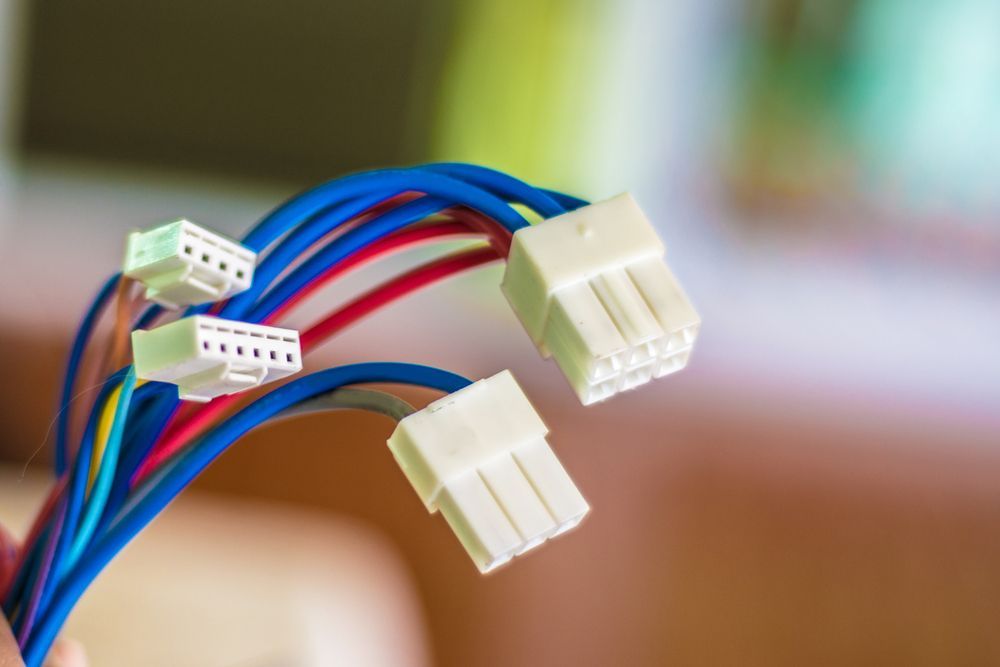
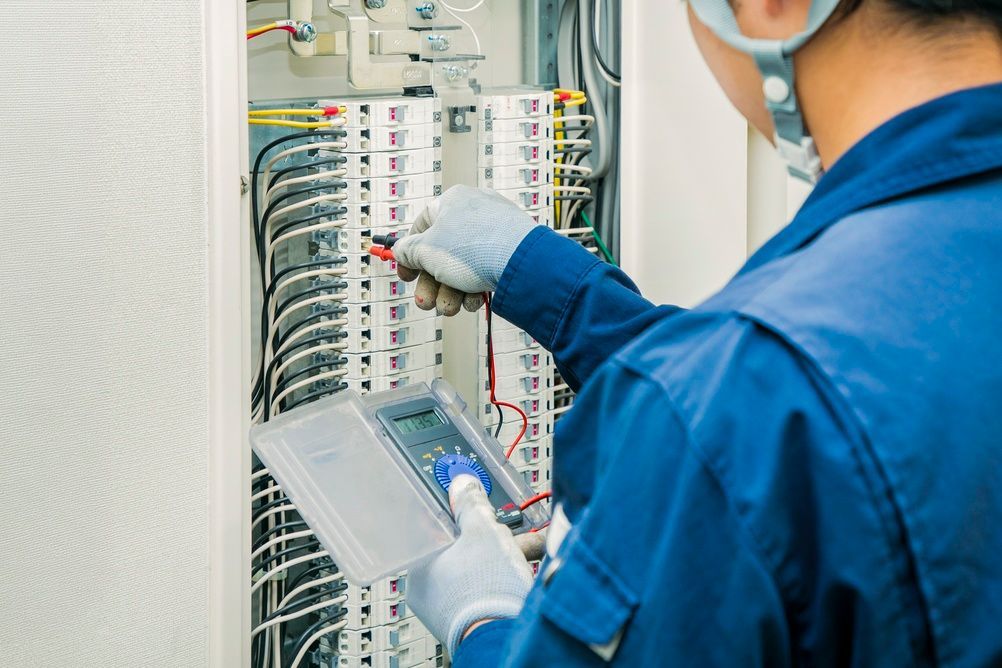
Control panel integration brings related electrical work into closer coordination. Aligning control panels,
wire harnesses, and cable assemblies earlier can uncover interface conflicts sooner, reduce rework, and simplify production planning. For OEMs, this approach can create a more predictable path from design to production.
Where Control Panel Integration Saves Time
Control panel integration can help OEMs address schedule delays at several points between design and production. Coordinating related electrical assemblies creates opportunities to resolve questions earlier, reduce supplier handoffs, and plan sourcing around the production schedule.
Meaningful time savings can come from how the work is coordinated. Fewer communication gaps and earlier alignment can keep projects moving toward production without unnecessary interruptions.
Fewer Handoffs Between Electrical Suppliers
Using separate suppliers for control panels, wire harnesses, and cable assemblies creates additional coordination points. Each supplier may need drawings, revisions, interface details, and answers from the OEM’s engineering team.
Bringing related electrical assemblies under one partner can shorten communication paths and simplify project coordination. Fewer handoffs also reduce opportunities for outdated information or conflicting requirements to slow production.
Earlier Coordination Across Electrical Assemblies
Control panels connect directly to other electrical assemblies throughout the finished equipment. Decisions involving connectors, terminations, routing, or interfaces can affect several parts of the build.
Earlier coordination gives teams an opportunity to identify conflicts before production begins. Changes made at this stage are generally easier to manage than corrections discovered during assembly or equipment integration.
Smoother Sourcing and Production Scheduling
Component availability can influence when electrical assemblies enter production. A delayed connector, control component, or other specified part may affect work beyond a single assembly.
Coordinating sourcing and production planning across related electrical assemblies gives OEMs better visibility into potential scheduling constraints. Long-lead components can be identified earlier, allowing purchasing and production teams to make informed decisions before a shortage disrupts the build.
Faster Transition From Design to Production
Moving a control panel from an approved design into production can expose unresolved details. Missing interface information, component questions, or differences between related electrical drawings may delay the production release.
Coordinating control panels, wire harnesses, and cable assemblies earlier can help resolve these issues before manufacturing begins. Engineering teams can finalize electrical connections and production requirements sooner, reducing delays between design approval and the first build.
The Project Factors That Shape Lead Time
Control panel integration can improve schedule efficiency, but project requirements still influence how quickly work can move into production. Design complexity, component selection, production volume, and schedule expectations can all affect timing.
Reviewing these factors early gives OEMs and their integration partner a clearer picture of the project before production planning begins. It also creates an opportunity to address potential delays while there is greater flexibility to adjust the project.
Electrical Requirements and Interface Details
The number of circuits, component specifications, connection points, and equipment interfaces can influence the work required before production starts. Clear electrical requirements give the integration partner the information needed to plan the build and identify potential conflicts.
Incomplete interface details can create additional engineering questions later. Defining these requirements early helps prevent clarification cycles from delaying production.
Production Volumes and Schedule Expectations
A prototype, initial production run, and recurring order each require different planning. Expected volumes affect material purchasing, labor allocation, and production scheduling.
Sharing volume forecasts and target dates early allows the integration partner to plan around the OEM’s production needs. This becomes especially important when a program is expected to move from an initial build into regular production.
Early Design Alignment and Production Readiness
Production can slow when unresolved electrical details carry over from design. Reviewing control panel requirements alongside related assemblies earlier gives engineering teams time to address connection points, component choices, and manufacturing considerations before release.
This preparation can reduce late revisions and help the project enter production with fewer open questions.
Rework, Change Orders, and Schedule Risk
A design change can affect several electrical assemblies, particularly when control panels, wire harnesses, and cable assemblies share connection points. Separate suppliers may receive revisions at different times, creating a risk of incompatible assemblies reaching production.
Coordinated revision management helps keep related assemblies aligned when requirements change. Catching discrepancies before fabrication can limit rework, additional change orders, and schedule disruptions later in the build.
The Lead-Time Value of Coordinated Electrical Assemblies
Control panels, wire harnesses, and cable assemblies must work together in the finished equipment. Coordinating these assemblies through one partner can simplify communication, revision management, and production planning.
When requirements change, teams can assess the impact across related assemblies before production moves forward. OEMs gain a clearer view of project timing while reducing the coordination required across multiple electrical suppliers. This approach can help prevent mismatched assemblies and avoid delays during final equipment assembly.

Evaluating Potential Control Panel Integration Partners
A shorter quoted lead time does not tell OEMs how a supplier will perform once production begins. Look at how the partner handles engineering changes, communicates component constraints, supports initial builds, and prepares for recurring production.
Capabilities across related electrical assemblies also deserve consideration. Ask how control panel requirements are coordinated across wire harnesses and cable assemblies, how revisions are documented, and how the supplier responds when specified components become unavailable. These details can reveal far more about production readiness than a delivery estimate alone.
Request a Quote for Your OEM Control Panel Project
The right electrical assembly partner can make a complex OEM program easier to manage. Kato Cable provides control panels, wire harnesses, and cable assemblies for OEM applications, giving manufacturers access to related electrical manufacturing capabilities under one roof.
Planning a new control panel project or evaluating your current supply chain?
Contact Kato Cable to discuss your electrical assembly requirements and request a quote.